A good shave should feel like clean skin and zero drama. No stinging, no angry red dots, no tossing plastic into the bin after three uses. That’s the promise of a well-made safety razor when it’s matched to the right prep, blade, and technique. Women have always shaved more surface area than men, often with more curves and tighter spaces to navigate, yet most of the shaving industry’s design energy has focused on men’s faces. Shift to a single blade razor with care, and you can get results that feel like a professional treatment at home.
I’ve coached dozens of people through the switch, and the same pattern repeats. Day one feels respectful and cautious. By the end of week two, the razor becomes second nature and the skin looks calmer. The big wins are fewer ingrowns, a lower long‑term cost, and a tidy recycling footprint. Along the way, there are trade‑offs and details that matter. This guide covers what to know, which razors make the cut, and how to build a routine that suits legs, underarms, and the bikini line.
Why a safety razor can be gentler than a cartridge
Cartridge systems pull and cut with multiple edges stacked in a row. That design can be fast on a flat cheek, but it is hard on areas that need finesse. Each pass is essentially five micro‑passes, and the extra friction often shows up as razor burn or folliculitis. A safety razor uses a single, sharp edge supported by a solid head. You control angle and pressure, the blade does the work, and your skin avoids repeated scraping.
There is a learning curve. A double edge razor rewards light touch and small strokes, especially over the knee cap, ankle bones, and underarm folds. Once the muscle memory clicks, the shave feels smoother on day one and calmer on day two. For those prone to ingrown hairs on the bikini line, the single pass with accurate grain direction often resolves the problem that foils multi‑blade razors.
The parts that make up a good shave
A safety razor is simple: a handle, a head that clamps the blade, and the blade itself. Simpler still is not always better for every face or leg. Geometry matters. The gap between the blade and the safety bar, the amount of blade exposure, and the angle built into the head shape how forgiving the shave feels. If a manufacturer gets these wrong, the razor feels harsh even with the best cream and technique.
Most women prefer razors at the mild to medium end of the spectrum for everyday shaving of legs and underarms. That means low blade exposure, a predictable angle, and a handle that grips well when wet. Weight is personal. Heavier handles can steady the stroke along the shin and thigh. Lighter, shorter handles can be easier to maneuver around ankles and the bikini line. If a razor looks beautiful but slips when your hands are soapy, skip it.
Popular models and what they do best
Henson razor. Henson Shaving built its reputation on tight tolerances and a mild, locked‑in angle. The head guides you to set the edge consistently, so the learning curve is shorter and nicks are rare. For legs and underarms, the AL13 mild is a strong choice. If your hair is coarse, their medium plate can help without feeling aggressive. Henson Shaving Canada sources the same geometry, so performance matches across markets.
Merkur 34C. A classic two‑piece design with a short, thick handle and a balanced weight. The 34C is gentle enough for daily work but has enough bite to clear two or three days of growth on legs. The knurling is grippy, the head is familiar, and replacement parts are available. If your hands are small, the compact handle can feel secure around ankles, though some prefer a longer handle for thigh work.
Shavette and straight razor. A straight razor or a Shavette is capable of a near‑perfect edge, but they demand absolute focus and steady hands. For body shaving in a shower environment, they are rarely the practical choice. The angles are unforgiving, and the risk‑reward balance favors a safety razor. If you’re curious, practice on above‑the‑knee areas where skin is taut and easily stretched, and never rush. For most, a traditional safety razor does 99 percent of what a straight razor can do with far less risk.
Travel razors and lightweight handles. Some travel razors shave well, others are gimmicks. If you travel frequently, prioritize a standard head that breaks down into handle and cap, and keep a small tuck of double edge razor blades in a protective sleeve. Airlines typically prohibit loose blades in carry‑on luggage. If you forget and pack them, they will be confiscated. Blades are inexpensive at most destinations, but availability varies.
The role of blades: sharper is not always better
Think of safety razor blades like guitar strings. They all look similar, but feel and tone differ. Double edge razor blades vary by sharpness, coating, and stiffness. Very sharp options, like Feather, mow down coarse hair but punish heavy hands. Coated blades, often labeled platinum or Teflon, can feel smoother for two to four shaves, which is perfect for legs where the blade covers more real estate.
A good starting kit includes two or three brands with mild to medium sharpness. Astra Superior Platinum, Gillette platinum variants, and Dorco ST301 are reliable. Expect three to six full leg shaves per blade depending on hair density, prep, and how carefully you rinse and dry. Your underarms and bikini area will tell you when a blade dulls; tugging appears first in thick patches. Swap the blade sooner rather than later to avoid irritation.
If you’re coming from a disposable razor, resist the urge to press harder as the blade dulls. With a safety razor, more pressure only magnifies problems. Replace the blade and keep the angle shallow.
Handle length, balance, and grip
Women often shave in the shower or perched on the edge of a tub, so a secure handle matters. Look for deep knurling or a textured pattern that won’t turn slick with shaving soap. Longer handles, in the 90 to 100 millimeter range, can help reach the back of calves comfortably. Shorter handles around 80 millimeters can feel nimble for underarms. There is no universal best length. If possible, handle a few options in person and mimic shaving positions before you buy.
Balance is the subtle factor. Some handles place weight near the head, which stabilizes the angle on flat runs along the shin. Others are bottom heavy, which lets the razor glide with minimal wrist effort. Neither is wrong. If you tend to oversteer, a head‑heavy razor often encourages you to let gravity work while you simply guide.
Prep that makes hair easy to cut
Warm water and time are your allies. Hair softens after about two to three minutes of exposure to warm water. A quick rinse is not enough. During that soak, wash the skin with a mild cleanser to remove oils that block lather from wetting the hair fully. Skip harsh body scrubs right before a shave. Too much abrasion plus a fresh blade is a recipe for sting.
Shaving soap or cream matters more than most expect. A good lather suspends hair, reduces friction, and gives you visual feedback about where you’ve been. A quality shaving soap paired with a shaving brush creates a slick, stable cushion. A brush is not mandatory, but once people try one, they tend to keep it. The soft scrub lifts hair on the thigh and calf and helps map grain direction on the underarm and bikini line. If you prefer cream from a tube, aim for products designed for single‑blade shaving. They rinse cleanly and leave just enough slickness for touch‑ups.
Technique for legs, underarms, and bikini line
Start with legs. The surface area teaches good habits without much risk. Keep the handle at about a 30 degree angle to the skin. Short strokes, light pressure, and frequent rinsing of the head will keep the blade clear. On shins, pull the skin gently taut with your non‑dominant hand. Around knees, shave the kneecap with the leg straight, then bend and shave above and below where the skin stretches. Ankles respond well to half strokes that arc around the bone rather than straight lines.
Underarms are sensitive and the hair grows in multiple directions. Shave after the shower has fully warmed the skin. Raise your arm, bring your shoulder forward slightly to stretch the skin, and map the grain with your first light pass. If needed, do a second pass at a slight angle across the grain rather than directly against it. Pressing harder does not give a closer shave; it just invites weepers. Rinse well and pat dry. A gentle, alcohol‑free deodorant will sting less after a single blade razor than after a cartridge because the skin barrier is less disturbed.
The bikini line demands patience. Use more lather, not more pressure. Begin with the grain, which for most people means downward or outward toward the thigh. If you choose a second pass, angle across the grain rather than straight against it. Shave every other day at first while your skin adjusts away from cartridge habits. Tight clothing immediately after shaving can trigger irritation. Cotton or loose fabrics help the area settle.
Dealing with thick or curly hair
Curly hair tends to curve back toward the skin, so any technique that cuts below the skin level risks ingrowns. A safety razor helps because it cuts cleanly at the surface, not below it. If your hair is very coarse, a slightly sharper blade paired with a mild razor head can reduce tugging. Pre‑shave oil can help occasionally by adding glide on heavy growth days, but https://www.google.com/maps/search/?api=1&query=Google&query_place_id=ChIJ2-6zIM1CK4gRvyUscbLrqnk it is optional and can clog some heads if overused. For those who struggle with ingrowns regardless of tool, periodic gentle chemical exfoliation with lactic or mandelic acid on non‑shave days improves outcomes more than scrubs.
Aftercare that prevents irritation
Cold water rinse, pat dry, and a light, fragrance‑free moisturizer are enough for most skin. Avoid occlusive oils on freshly shaved underarms. They trap heat and sweat, which can irritate follicles. If you are prone to razor bumps, a thin layer of a leave‑on product with 2 to 5 percent lactic or mandelic acid a few nights per week calms the cycle. Witch hazel without added alcohol can feel soothing on legs but is not essential.
You may see tiny red dots the first few shaves as the skin adapts. Keep the blade fresh and your pressure light. Those dots usually fade within hours. Persistent irritation points to one of three issues: dull blade, too steep an angle, or shaving against the grain too soon. Tackle those one at a time.
Cost and sustainability measured over a year
A decent safety razor runs from 30 to 100 dollars depending on material and finish. A year of double edge razor blades typically costs 10 to 30 dollars if you shave legs twice a week. Compare that to cartridges that can cost 3 to 5 dollars each and last about a week under similar use. Over three years, most people spend less than half with a safety razor, even when they upgrade a handle for preference.
Sustainability is simple math. One stainless blade is metal, which can be recycled in many municipalities if you collect them in a blade bank or a sealed steel can. Some regions require drop‑off at a household waste site. Check local rules, then commit to one plan. A disposable razor combines plastic and metal and typically goes straight to landfill. If you keep a shaving brush and a hard shaving soap, even the packaging footprint drops to almost nothing over time.
Picking a starter kit without overbuying
You can start with a mild safety razor, two tucks of different safety razor blades, a basic synthetic shaving brush, and a reliable shaving soap. Skip pre‑shave oils until you dial the basics. If you prefer creams, start there; creams can be easier to lather in a hurry. Expect the first three shaves to teach you more than any video. If you pivot to a different blade brand, give it two sessions before judging. Skin often needs a few days to calm down from cartridges.
Here is a tight starter checklist to keep shopping simple:
- A mild safety razor with good grip and a mid‑length handle Two blade brands with platinum or Teflon coatings A synthetic shaving brush and a tallow or vegan shaving soap A blade bank or a safe metal container for spent blades An alcohol‑free moisturizer for post‑shave care
Common mistakes and how to fix them
The instinct to press harder is the first trap. Let the weight of the razor do the work. If a patch resists, add fresh lather and change the angle slightly. Another mistake is chasing perfection in one pass. Two light passes often outperform one heavy pass, especially on the bikini line.
A slippery handle is more than annoying. If the handle turns slick, you will subconsciously grip harder and press more. Dry your fingers briefly, or wrap a small silicone band near the grip as a temporary fix until you upgrade. Rushing the first shave with a brand‑new blade is another culprit. A dull blade makes you press harder. A brand‑new blade is just different enough in feel that you should slow down and reacquaint your angle during the first minute.
Some people assume a Shavette or straight razor will be closer. Technically true, practically fraught. On legs, a safety razor already delivers near‑barber closeness with fewer variables. If you must try a straight razor, practice outside the shower with a mirror and a stretch of skin you can see clearly. A Shavette uses disposable blades and can be more temperamental than a honed straight razor because the blade is thinner and less forgiving.
Henson, Merkur, and choosing your own lane
Henson shaving designs tend to attract first‑time users because they feel autopilot once set on the skin, and the resulting shaves are predictably mild. If your skin is reactive or you want to minimize the learning curve, the Henson razor is hard to beat. The trade‑off is that its head profile is quite specific. If you decide you prefer a different feel later, it might be a bigger jump to other designs.
The Merkur 34C sits in the middle, a workhorse with a well‑documented feel. It pairs nicely with a wide range of double edge razor blades and rewards careful technique with a bit more efficiency on longer growth. If you like to fine‑tune, the 34C is a flexible base.
There are other excellent safety razors, from modern stainless options to vintage finds, but the path to success is the same: pick a mild to medium head, pair it with a smooth blade, and learn your angles before hunting for marginal gains.
Where shaving soap, brushes, and lather fit
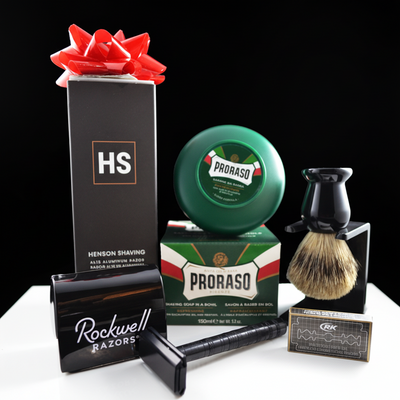
You can shave with a simple gel, but a proper shaving soap designed for single blade use changes the game. The lather should be slick, stable, and easy to rinse. A shaving brush whips air into the soap, adjusts water content on the fly, and lays down a thin, protective film. On legs where area matters, I prefer a slightly wetter lather than on a face shave. It glides farther per load of the brush and rinses faster between sections.
Synthetics have come a long way. They dry quickly, don’t shed, and hold enough water for creamy lather. Natural hair brushes work beautifully too but need more care. If you keep a brush in the shower, give it space to dry. Mildew smells ruin good routines.
Safety, storage, and real‑life logistics
Keep razor blades out of reach if you share space with kids or roommates. Store spare razor blades in their paper wrappers in a dry drawer. After each shave, loosen the head half a turn, rinse from the underside to flush out lather, then shake dry. You do not need to disassemble daily. If you live near the coast or leave the razor in a wet shower caddy, occasional water spots are normal. A quick wipe with a towel prevents buildup.
Traveling with a safety razor asks for one extra step. Pack the handle and head in a small pouch. Keep blades in checked luggage. If you forget, most airport security will remove the blades and allow the handle to continue. On the road, if you cannot find your preferred double edge razor blades, any reputable pharmacy stock will do for a week. Replace sooner if the feel is off.
When to consider different tools
There are valid cases for alternatives. If you are managing mobility challenges or cannot safely steady a safety razor near the ankle, an electric edge razor designed for wet use can be safer, though less close. If you shave only occasionally and prioritize speed over closeness, a disposable razor with a fresh blade can make sense, especially for travel. For those who love the ritual and the sharpest possible edge, a straight razor has its place, but it is a commitment of time and maintenance that most people do not need for body shaving.
A note on adjacent gear you don’t need
Cigar accessories sometimes share shelf space with classic shaving gear because both live in old‑school specialty shops. You do not need a humidor next to your blade bank. What you might appreciate from that world is a sense of ritual and care. Clean tools, good edges, and measured movements add calm to a routine task.
Troubleshooting guide for real skin
If underarms sting after every shave, the usual culprit is angle plus pressure. Raise your elbow higher, stretch the skin forward, and shave in shorter strokes with fresh lather. If the bikini line gets bumps even with careful technique, space shaves to 48 hours, use a lighter blade brand, and avoid against‑the‑grain passes for a few weeks. If your legs feel dry the morning after, switch to a more cushioning shaving soap and moisturize while skin is still damp.
Nicks happen. A styptic pencil stops bleeding immediately but can feel harsh. An alum block is milder and doubles as a feedback tool. Swipe lightly. If it stings sharply in one area, your pressure was high or your angle too steep. Adjust on the next pass.
The long view: build a routine you enjoy
The best routine is the one you repeat without dread. That usually means a safety razor with a predictable feel, a lather you like, and a few minutes of unhurried time. Most users settle into a cadence of two to three shaves per week for legs and one to two for underarms, adjusting based on hair growth. After a month, you will have a clear sense of which double edge razor blades feel smooth the longest and which days your skin prefers a single pass.
Once the basics are automatic, you can tinker. Try a different handle length. Sample a new shaving soap scent. Test a medium blade on longer growth days. Or, if the shave feels perfect, leave it alone. The quiet satisfaction of a smooth glide and calm skin outlasts trends and packaging.
A quality safety razor is not just a nod to tradition. It is a practical, sustainable tool that treats skin with respect. With a little practice, it turns a routine chore into an easy ritual, and it does so with a single sharp edge and a small pile of recyclable razor blades, not a drawer full of plastic.